The whisk is missing, the batter is already in the bowl, and dinner can't wait. That's the moment you discover that a good whisk alternative depends less on the tool name and more on the job. If you need to blend, emulsify, aerate, or just knock out a few lumps, the best substitute changes fast. Some jobs are fine with a fork or spoon, others need a jar with a tight lid, and a few call for an electric appliance.
Keep the decision simple. For eggs, dressings, batters, and cream, match the tool to how much control, speed, and air you need. If you're also managing saved recipes and shopping lists while you cook, Mealdill's recipe organization and meal-planning workflow can help keep the whole routine in one place, without getting in the way of the cooking itself.
1. AnyList
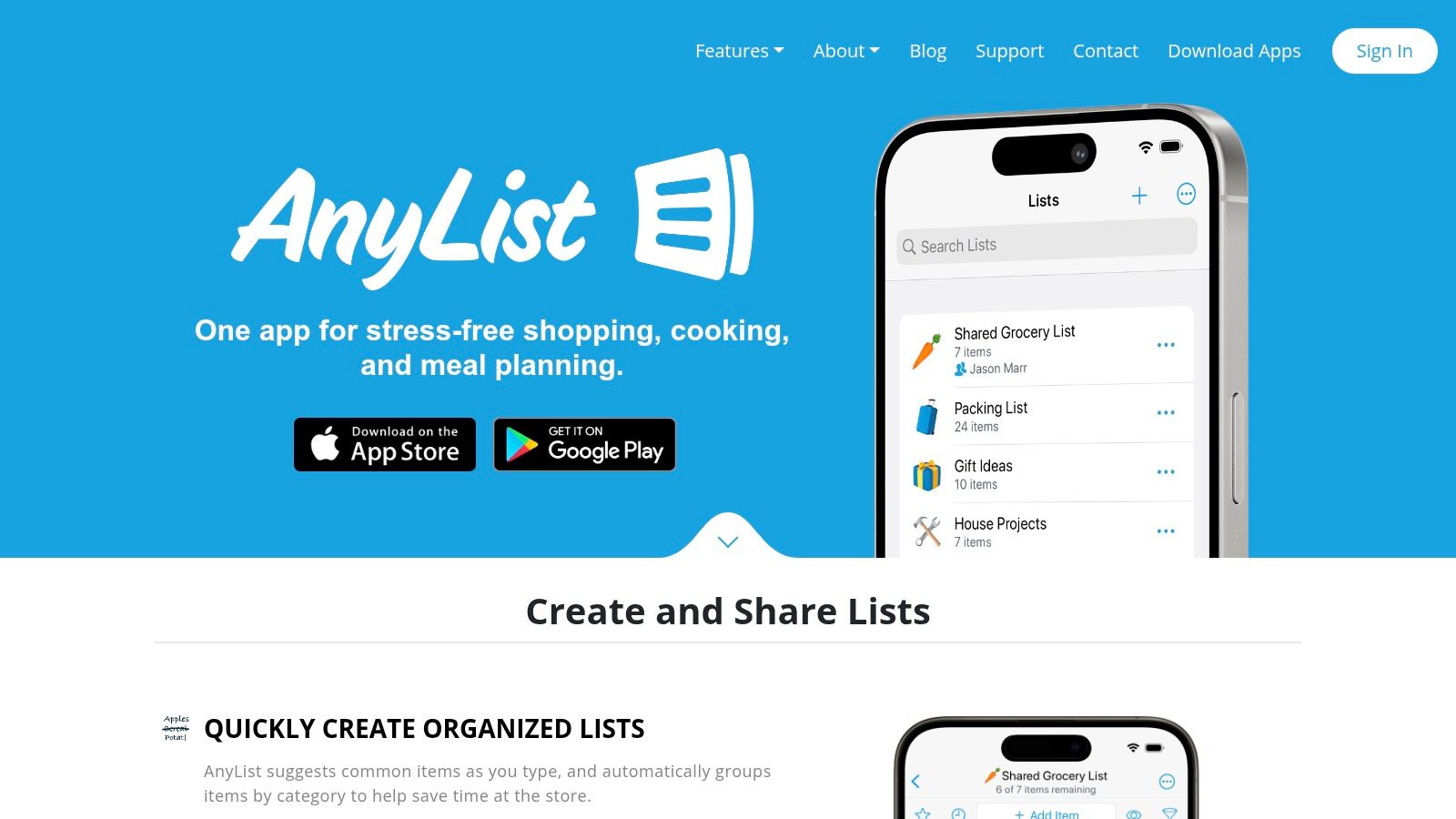
AnyList fits kitchens where the problem is staying organized, not finding a whisk substitute itself. If the recipe calls for quick eggs, a simple dressing, or a weeknight batter, the app helps keep the shopping and recipe steps in order while you handle the mixing with the tool that matches the job. Shared lists and a meal calendar work well for households that cook from the same plan. Check the AnyList website for platform details, and keep saved recipes in Mealdill recipes if you want one library for later use.
Best use in a real kitchen
Use AnyList before you start cooking. It handles recipe import, shared grocery lists, and meal calendars, which helps when you want the right ingredients ready for tasks like whisking eggs, stirring together a dressing, or lining up batter ingredients. Auto-categorized grocery lists reduce the chance that you miss a lemon, baking powder, or another small item that can stall a recipe.
The trade-off is clear. AnyList focuses on organization, not recipe discovery, so it is less useful if you want cooking ideas. Premium mode also matters more if you need unlimited recipe import.
Practical rule: Use a planning app when the main failure point is forgetting ingredients, not mixing technique.
What it replaces well
- Egg dishes: Keeps breakfast recipes and ingredient lists visible when you move fast.
- Dressings: Stores the ratio and shopping list for repeat vinaigrettes.
- Batter prep: Helps you confirm every ingredient is on hand before mixing.
- Cream-based desserts: Saves the recipe and makes it easier to repeat next time.
2. Paprika Recipe Manager
Paprika works well for cooks who want a private recipe library without a subscription tied to every meal. Save a recipe from a blog, return to it later, and use it for eggs, dressings, batters, or whipped cream work without relying on the original page staying open. Its web clipper, built-in browser, and offline access make that practical during active prep. Check the Paprika Recipe Manager website for platform details, and review Mealdill's terms of service if you are comparing how recipe ownership and access are handled.
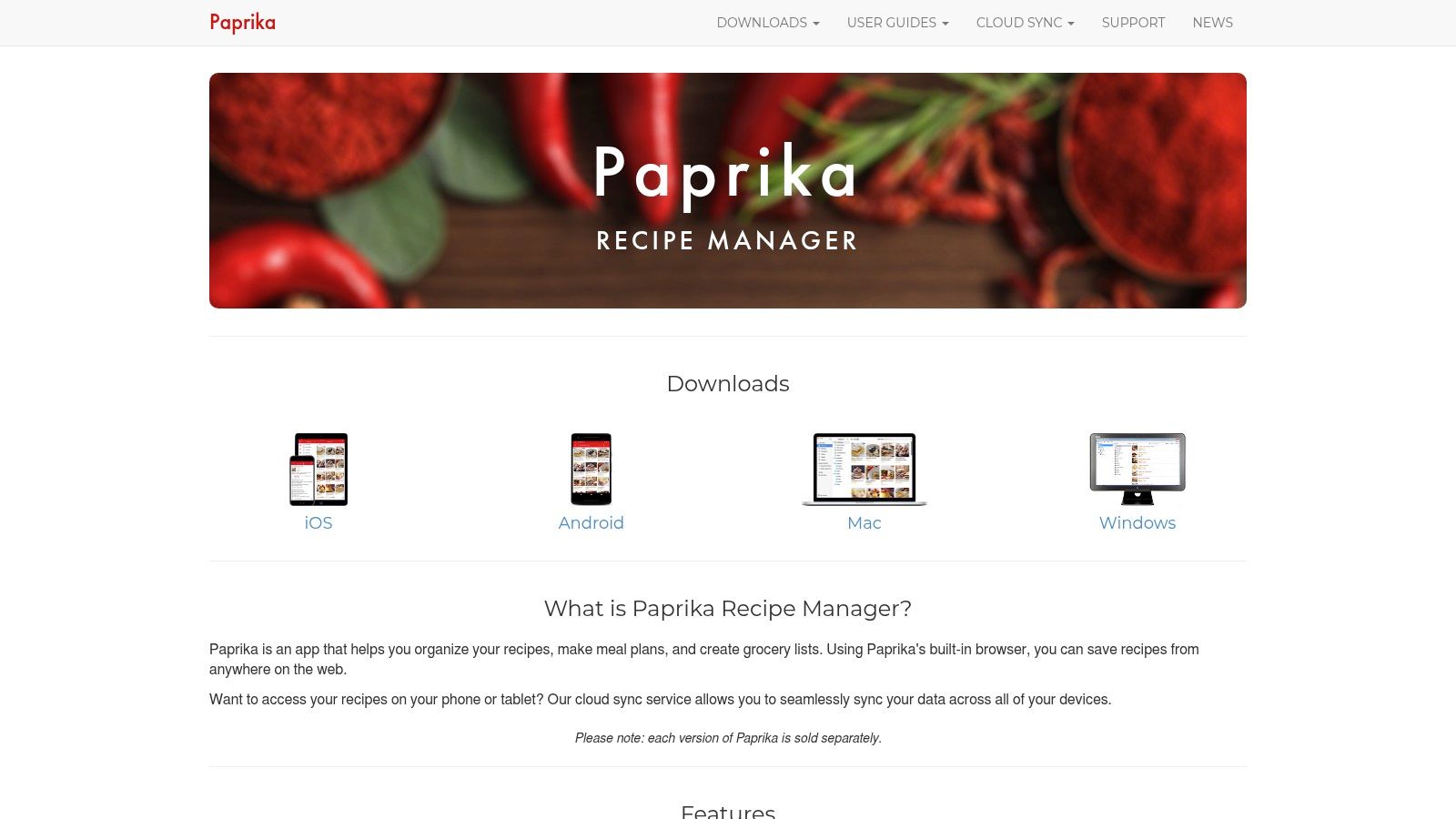
Paprika is strongest as a long-term recipe archive. If you keep returning to the same dishes, the smart grocery list helps you combine ingredients for a dressing, scale a cake batter, or prep a cream topping without rebuilding the list each time. Pantry tracking and reusable menus add structure when you want repeatable routines.
The trade-off is straightforward. The pay-once model covers core features, but each platform needs its own purchase. Social and video imports can also need manual cleanup, so it suits standard recipe sites better than posts built around short-form video. If you mainly save recipes from regular webpages, that is manageable. If your recipe habit lives on TikTok or Instagram, expect more hands-on editing.
Cleanest fit: Paprika suits cooks who want a durable recipe archive more than a stream of new ideas.
What it replaces well
- Eggs: Keeps a tested scrambled egg or omelet method easy to find.
- Dressings: Stores a reliable vinaigrette formula for repeat use.
- Batters: Helps you combine ingredients in the right order for baking.
- Cream: Keeps the exact topping recipe ready for the next batch.
3. Plan to Eat
Plan to Eat fits cooks who want the meal plan to steer the work. Import a recipe, drop it on the calendar, and let the shopping list update from there. That setup helps on busy weeknights, because you can decide whether tonight's task is eggs, a dressing, a batter, or a cream topping without rebuilding the plan from scratch. Visit the Plan to Eat website and compare it with Mealdill if you want to see how each tool ties recipes and shopping lists to meal planning.
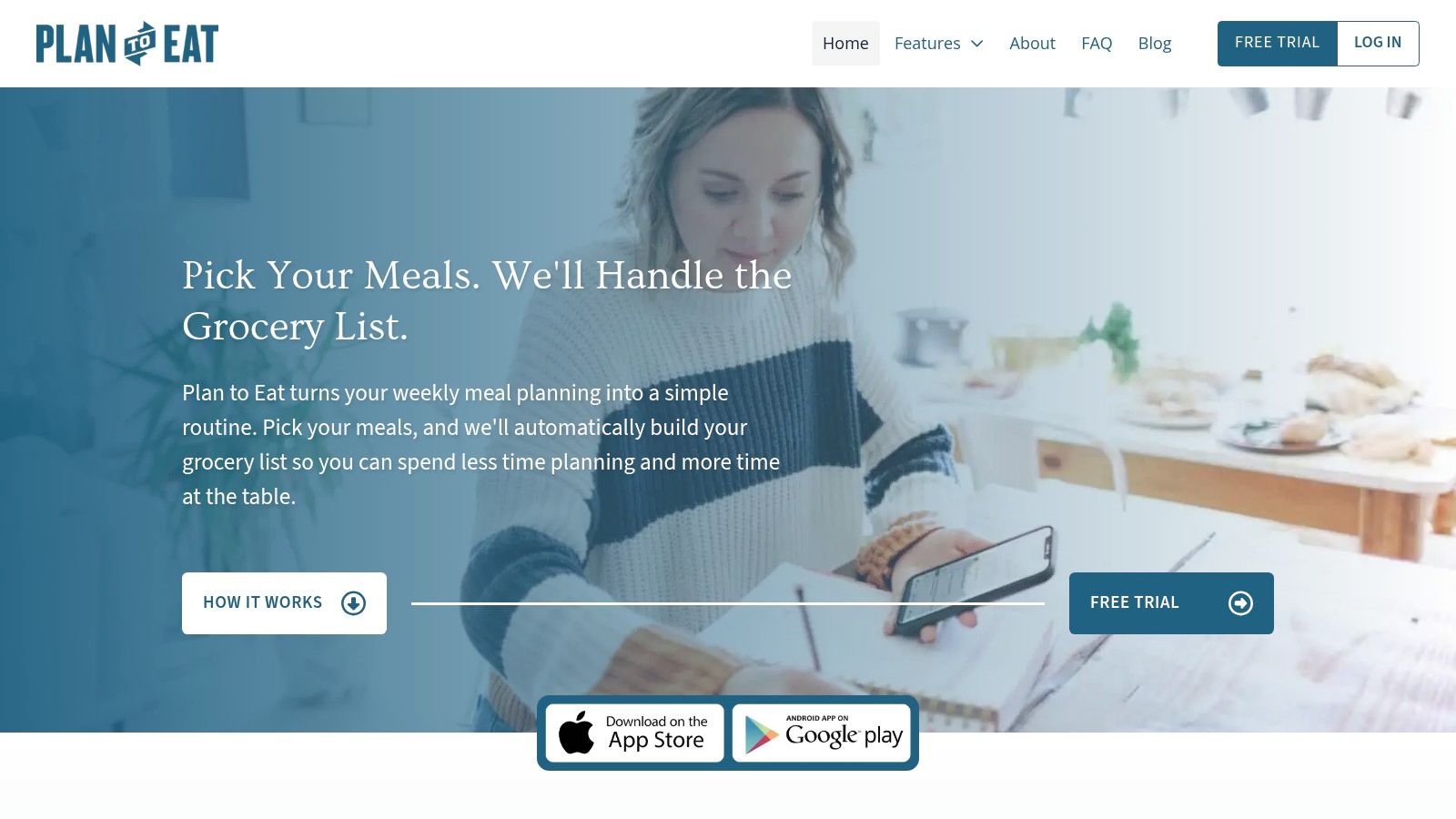
Plan to Eat works well for people who already know what they cook. The main strength is planning first, cooking second. If you batch cook, it gives you a simple way to map the week and avoid rushed substitutions later. Its grocery list follows your plan, so breakfast eggs, salad dressing, and baking projects can all sit inside one routine.
The trade-off is clear. There is no free plan, and recipe discovery is limited. That makes sense if you prefer to organize meals you already trust. It is less useful if you want the app to surface new ideas every night.
Best use in a real kitchen
Use Plan to Eat for repeatable routines, not browsing. It suits a household that wants dinner decisions settled before cooking starts, with the calendar doing the organizing. The tool is steady, but it asks you to bring your own recipe ideas.
What it replaces well
- Eggs: Plan a weekly breakfast rotation and keep the method ready.
- Dressings: Hold onto a reliable vinaigrette for salads through the week.
- Batters: Schedule baking projects so ingredients are ready when you are.
- Cream: Time dessert prep so the topping matches serving time.
4. Mealime
Mealime fits cooks who want weeknight meals planned with less effort. Its recipe curation and diet filters keep choices narrow, which helps when you want dinner decided before you start chopping. It works well for straightforward egg dishes, lighter dressings, quick batters, and cream toppings that need only a short prep path. See the Mealime website for current app support and Pro features.
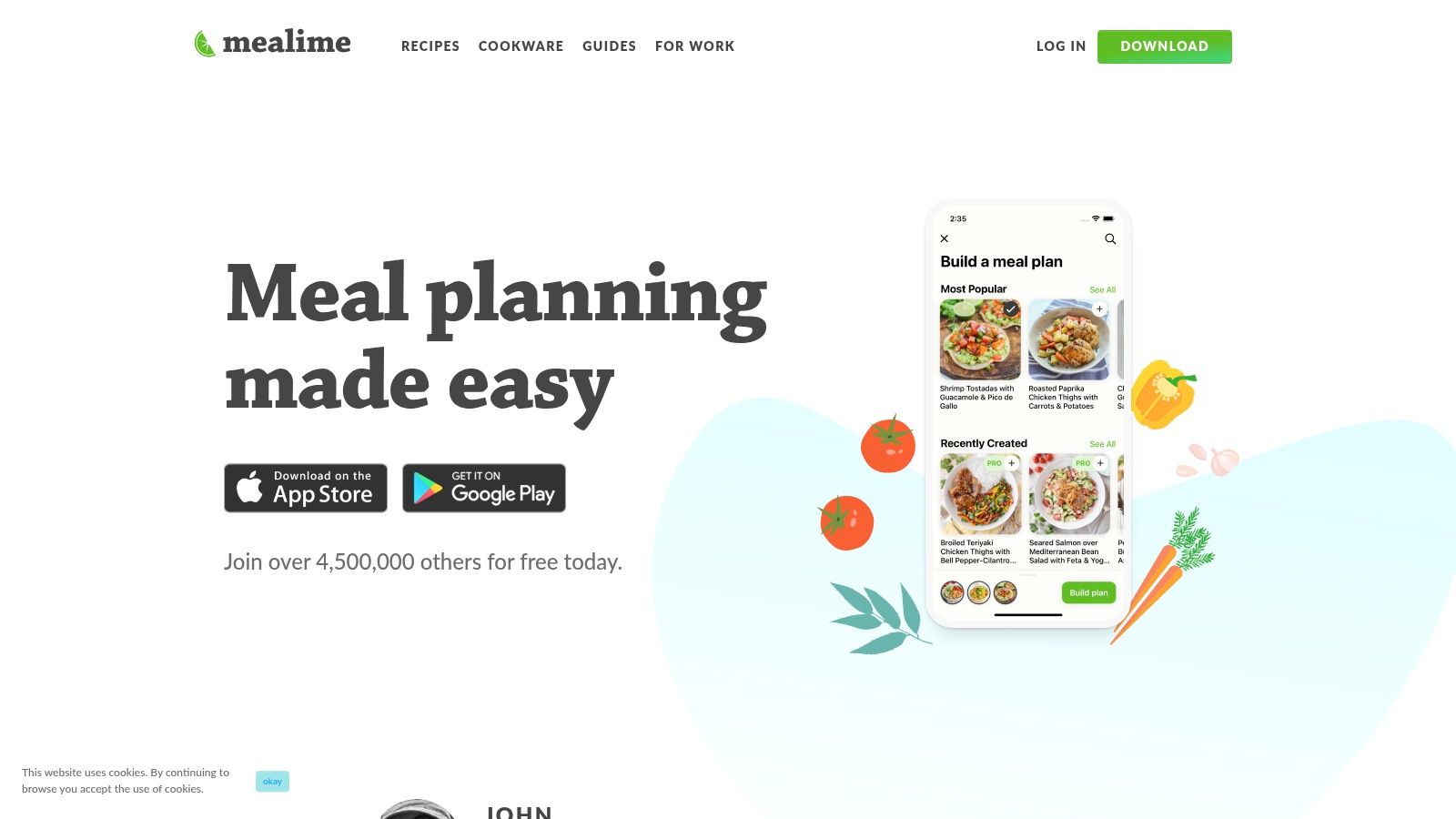
Mealime's strongest use is speed. The app focuses on planning and grocery generation, so you spend less time browsing and more time cooking. That helps if your routine centers on healthier meals and you want a clean path from recipe choice to shopping list.
The trade-off is flexibility. Mealime is less useful if most of your recipes come from third-party links, social posts, or video content. A broader recipe manager handles that mix better. For quick, predictable cooking, though, Mealime stays practical.
Best use in a real kitchen
Use Mealime when you want to narrow dinner options before cooking starts. It suits a household that wants fewer decisions, a short shopping list, and simple execution.
For specific tasks, it works best like this.
- Eggs: Keep weekday omelets and egg breakfasts in rotation.
- Dressings: Use it for lighter vinaigrettes that fit a meal plan.
- Batters: Plan pancake or muffin batters when the ingredients need to be ready together.
- Cream: Save dessert toppings for recipes you can finish quickly and serve on time.
5. Copy Me That
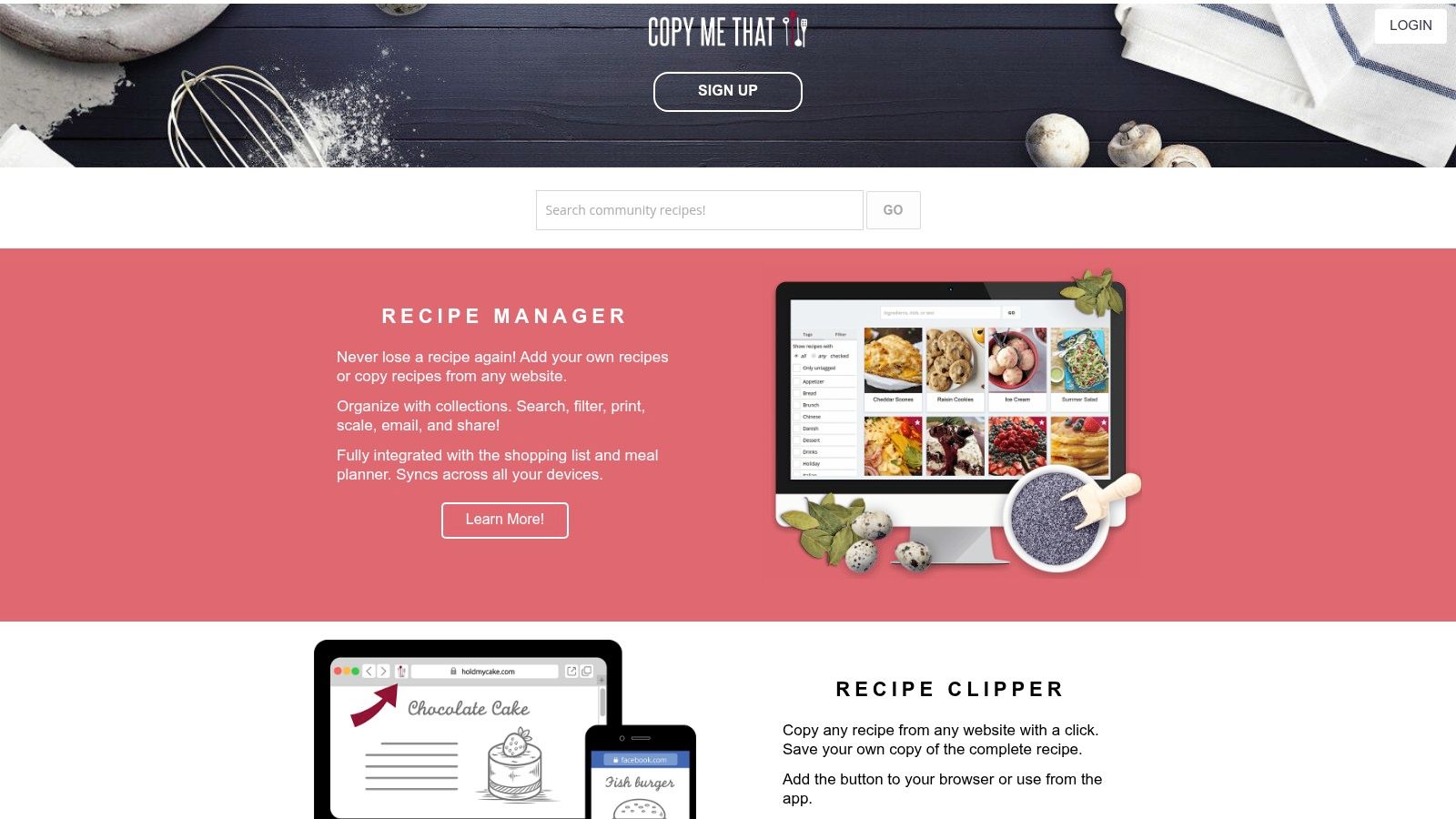
A lot of whisk alternative searches start with the same problem, a recipe is split across tabs, screenshots, and saved notes. Copy Me That keeps the fix simple. It is built for fast clipping, so you can save a recipe quickly and sort it out later. That makes it practical for cooks who care more about getting the recipe into one place than managing a full planning system. Visit the Copy Me That website for the clipping workflow, and check Mealdill's privacy policy if private storage matters to your setup.
Best use in a real kitchen
Use it as a recipe inbox. Save an egg recipe while it is still open in your browser, clip a dressing you want to test later, or keep a batter formula before you forget the measurements. It also works for whipped cream or other topping recipes you only make now and then. The point is speed, not heavy organization.
The trade-off is clear. Copy Me That gives you a lighter planning setup than fuller recipe managers, and the free tier is limited. If you want meal schedules, shopping logic, or detailed kitchen planning, another app will do more. If you want a fast place to collect recipes and keep them tidy, this one fits.
How to use it well
Start by saving recipes into a few practical categories, such as breakfasts, dressings, batters, and desserts. That keeps the library easy to scan when you need the right tool for the job. For eggs, save quick scramble or omelet methods together. For dressings, keep vinaigrettes in one folder so you can compare oil, acid, and seasoning at a glance. For batters, group recipes by type so you do not mix cake batter with pancake batter. For cream, store topping recipes separately so they are easy to pull up before serving.
If privacy is part of your decision, review the app's data handling before moving a large library over. Copy Me That works best for simple capture and quick retrieval, not for a heavy workflow.
6. BigOven
BigOven works well if you want recipe discovery and storage in one place. That matters when you need more than a whisk substitute, you need a system for deciding what to make from what is already in the kitchen. The leftover search can point you toward eggs, dressings, batters, and cream-based dishes without forcing you to start over each time. Use the BigOven website for broad browsing, and keep repeat dishes easy to find through Mealdill's recipe library.
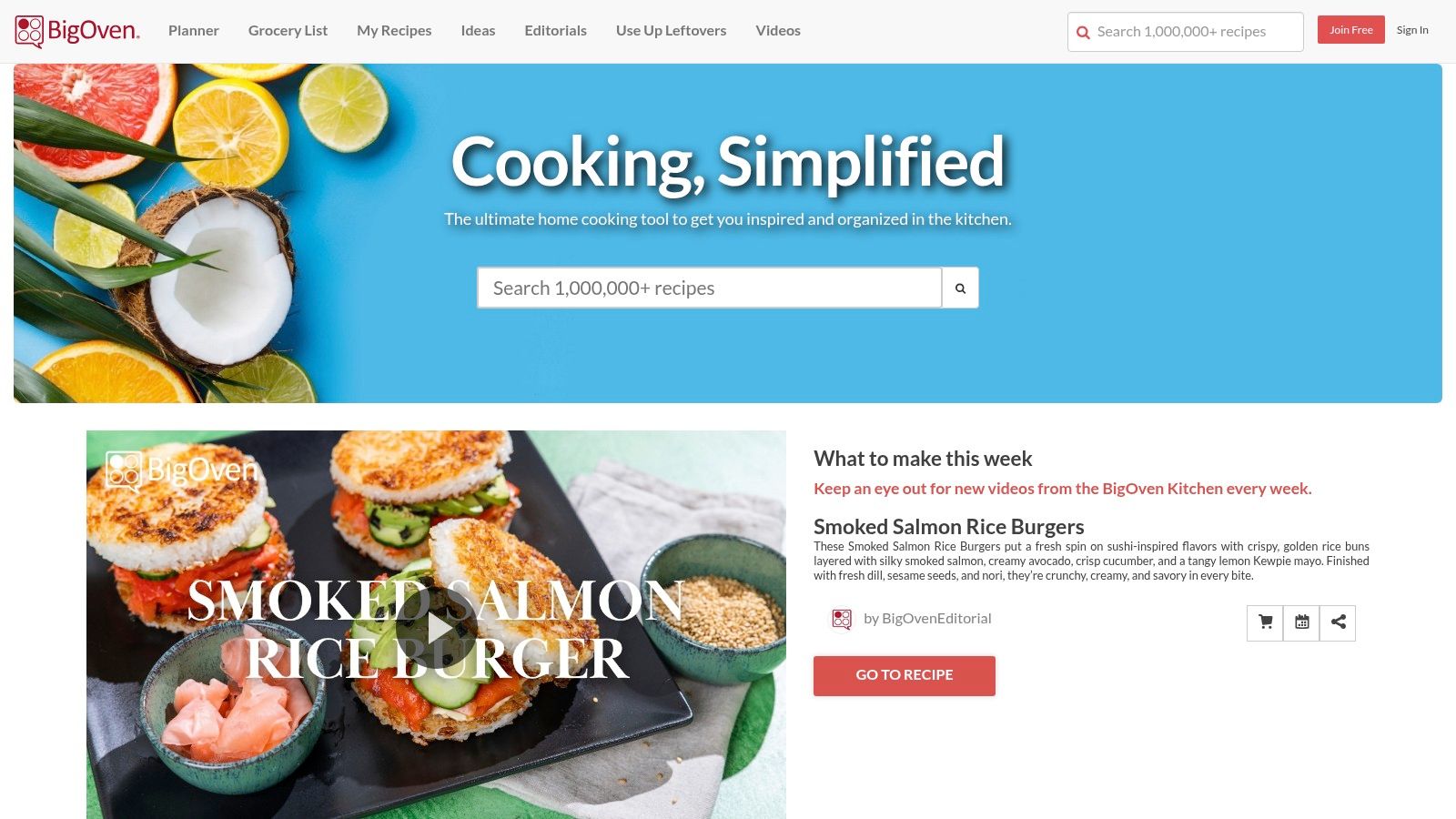
A practical use case is simple. If you are moving from a basic whisk task, such as beating eggs, into a fuller recipe plan, BigOven keeps the search and the storage in the same place. RecipeScan also helps when you want to turn paper recipes into digital ones, which is useful for family cards and handwritten notes.
The trade-off is a dated interface and some features behind Pro. That does not make it hard to use, but it does feel less polished than newer apps. For cooks who want discovery plus a personal recipe box, it still has a clear role.
For quick sorting, keep recipes grouped by task. Put breakfast egg recipes together so they are easy to compare, save dressing ideas in one place when you want to match oil, acid, and seasoning, group batters by type so pancake and cake formulas stay separate, and store cream-based desserts where you can find them fast before serving.
7. Prepear
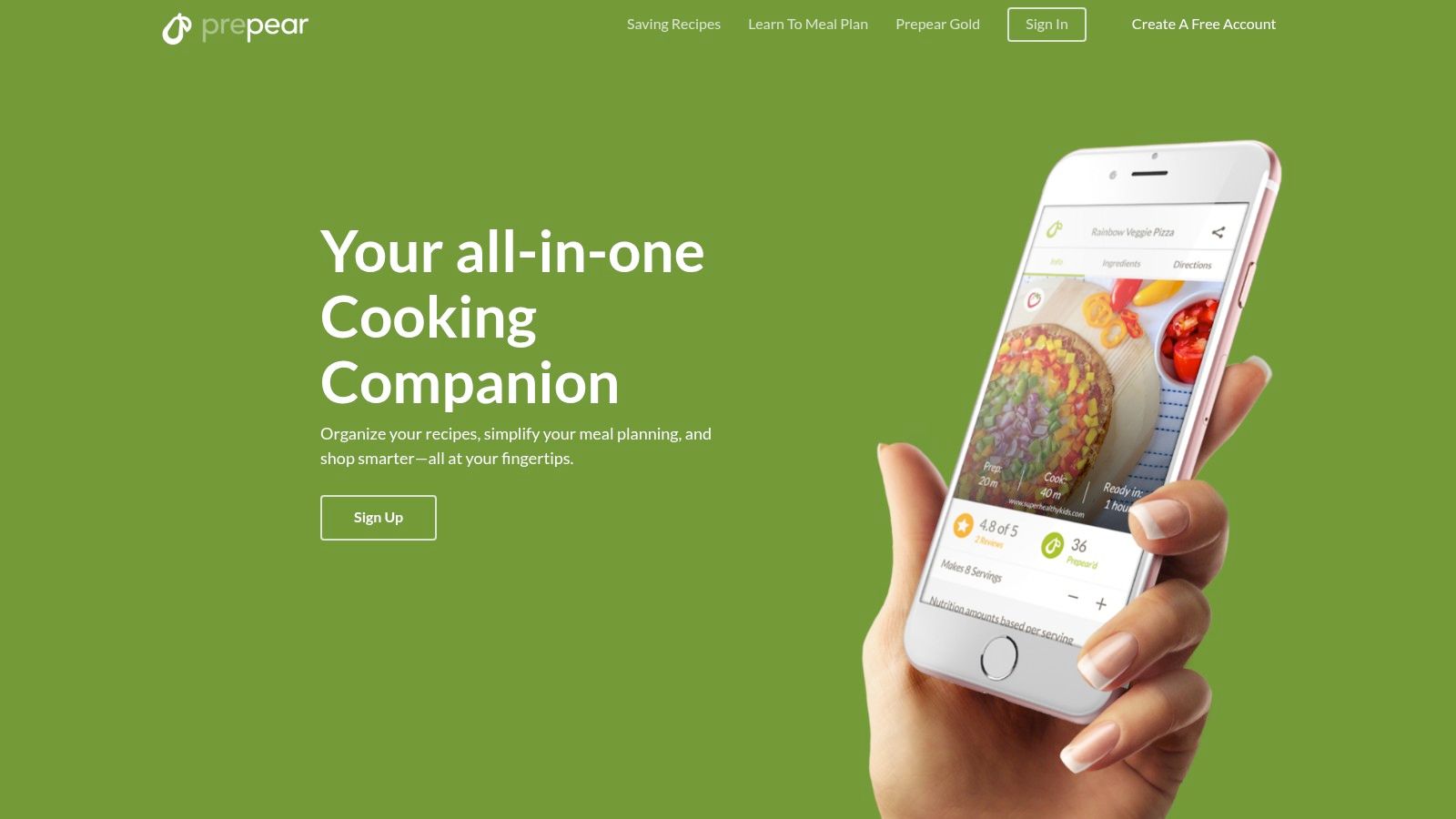
A bakery night or salad-night prep goes faster when the recipe, shopping list, and cooking mode stay in one place. Prepear is built for that kind of workflow. It suits cooks who follow creators and want those recipes to move straight into planning without extra tab juggling. Use the Prepear website to see how its meal planning and creator marketplace are set up.
Best use in a real kitchen
Use Prepear for the parts of cooking that benefit from structure. Save an egg breakfast, open Cook Mode while you whisk, and keep the grocery list beside the recipe so you do not lose track mid-step. The same setup works for dressings, batters, and cream-based desserts when you want a clear order and fewer screen changes.
It is less useful if you want every recipe fully contained inside the app. Some premium content sits behind Gold or creator paywalls, and free users may be sent back to the blogger's site for instructions. That trade-off is fine if you already follow specific creators. If you prefer a self-managed library, the back-and-forth may feel clumsy.
What it handles well
- Eggs: Save breakfast recipes and follow them while you whisk or scramble.
- Dressings: Keep oil, acid, and seasoning together without losing the method.
- Batters: Use the grocery list and Cook Mode to prep and mix in order.
- Cream: Follow dessert steps while keeping the recipe visible on screen.
Top 7 Whisk Alternatives Comparison
| App | Setup complexity 🔄 | Resource requirements ⚡ | Expected outcomes ⭐📊 | Ideal use cases 💡 | Key advantages & limitations ⭐ |
|---|---|---|---|---|---|
| AnyList | Low, quick list & share setup | Cross-platform (Web, iOS, Android, Mac); minimal resources | Smooth shared grocery management and synced meal calendar | Families/households needing robust shared lists | Auto-categorized aisles & recipe import; low-cost household plan; free-tier import limits |
| Paprika Recipe Manager | Moderate, clipper/browser configuration per device | Offline-first with cloud sync; one-time purchase per platform | Reliable private recipe library, pantry tracking, smart grocery lists | Users wanting pay-once, offline-capable recipe organization | Excellent web clipper & smart lists; separate purchase per platform; social/video imports manual |
| Plan to Eat | Low, import then drag-and-drop calendar | Web & mobile; subscription after trial | Streamlined planning-to-shopping workflow with strong privacy stance | Planner-first users and batch meal planners valuing privacy | Clean calendar workflow & auto lists; no free plan, less discovery |
| Mealime | Low, choose diet filters and plan templates | Web/iOS/Android; Pro subscription for advanced features | Fast, healthy weekday meal plans with nutrition details (Pro) | Diet-focused cooks and quick weeknight meal planners | Diet filters & streamlined plan-to-grocery; Pro subscription required for full features |
| Copy Me That | Very low, one-click clipping and save | Cross-device sync; free tier limited to 40 recipes, paid unlimited | Rapid capture and exportable recipe library; simple list-building | Users prioritizing fast clipping and portable recipe exports | Extremely easy clipping & affordable unlimited option; fewer advanced planning tools |
| BigOven | Low, browse/save and use planner/grocery tools | Web & mobile; optional Pro to remove ads/unlock extras | Large discovery + personal recipe box; leftover-based suggestions | Users who want expansive discovery plus personal organization | Massive recipe database & Up Leftovers search; dated interface and advanced features behind Pro |
| Prepear | Low–moderate, save/import and access blogger content | Web/iOS/Android; some premium creator content requires Gold/payments | Curated meal plans tied to creator content and printable grocery lists | Followers of food bloggers seeking curated plans and cook mode | Blogger marketplace & ad-free Cook Mode (Gold); premium content/paywalls and some directions redirect to blogs |
Choose the Tool That Fits Your Cooking Routine
A fork is the right whisk alternative for small jobs, especially when you only need to beat a couple of eggs, loosen a sauce, or blend a quick mix in a bowl. A jar or mason jar with a shaker-style method works better for dressings and simple emulsions, because the tight seal lets you shake oil, vinegar, mustard, and seasoning together with less mess. For egg mixing, a fork-and-bowl approach gives you more control than a fast, aggressive tool, which helps you avoid splashing and keeps the texture where you want it.
Use electric tools when the job needs aeration, speed, or volume. Hand mixers and stand mixers make more sense for whipped cream, thicker batters, or any mixture that needs sustained air, but they can also overdo it if you're not watching closely. Adjust the speed, keep the container size roomy enough to prevent overflow, and clean right away so residue doesn't dry in the tines, jar lid, or mixer attachments.
The cleanest routine is the one that matches the recipe, not the habit. If you cook the same kinds of dishes often, save the recipe, note the substitution that worked best, and keep the plan easy to repeat. If you want that system to stay organized across meals and shopping, Mealdill gives you a place to store recipes, plan around them, and reuse the routine instead of rebuilding it every week.
If you want a simpler way to keep recipes, shopping, and meal plans tied together, Mealdill can help. It centralizes recipes from URLs and social posts, then turns them into organized meal plans and smart grocery lists. Visit Mealdill to see how it can support the same cooking routine you're building here.