
You're halfway through a family breakfast when you notice the recipe needs Greek yogurt. One person needs dairy-free food, another wants more protein, and someone else won't accept anything thin or strongly coconut-flavored. The right vegan Greek yogurt substitute depends less on finding one universal replacement and more on matching the base to the job.
This list compares eight practical options by texture, protein potential, allergens, preparation time, flavor, and use. Commercial soy or pea yogurt is the fastest route to consistent breakfasts. Homemade coconut or cashew delivers richer texture, while oat offers budget and allergen flexibility. Almond works well for lighter, protein-fortified recipes, hemp brings a nutty nutrient-dense profile, and aquafaba belongs in the experimental, zero-waste category rather than the everyday default.
You'll also find guidance for baking, sauces, dressings, smoothies, and meal prep. Start with a one-to-one swap, then adjust thickness with straining, plant milk, or a thickener. Always check labels for sweetness, protein, allergens, and live cultures, because plant-based yogurts aren't nutritionally interchangeable.
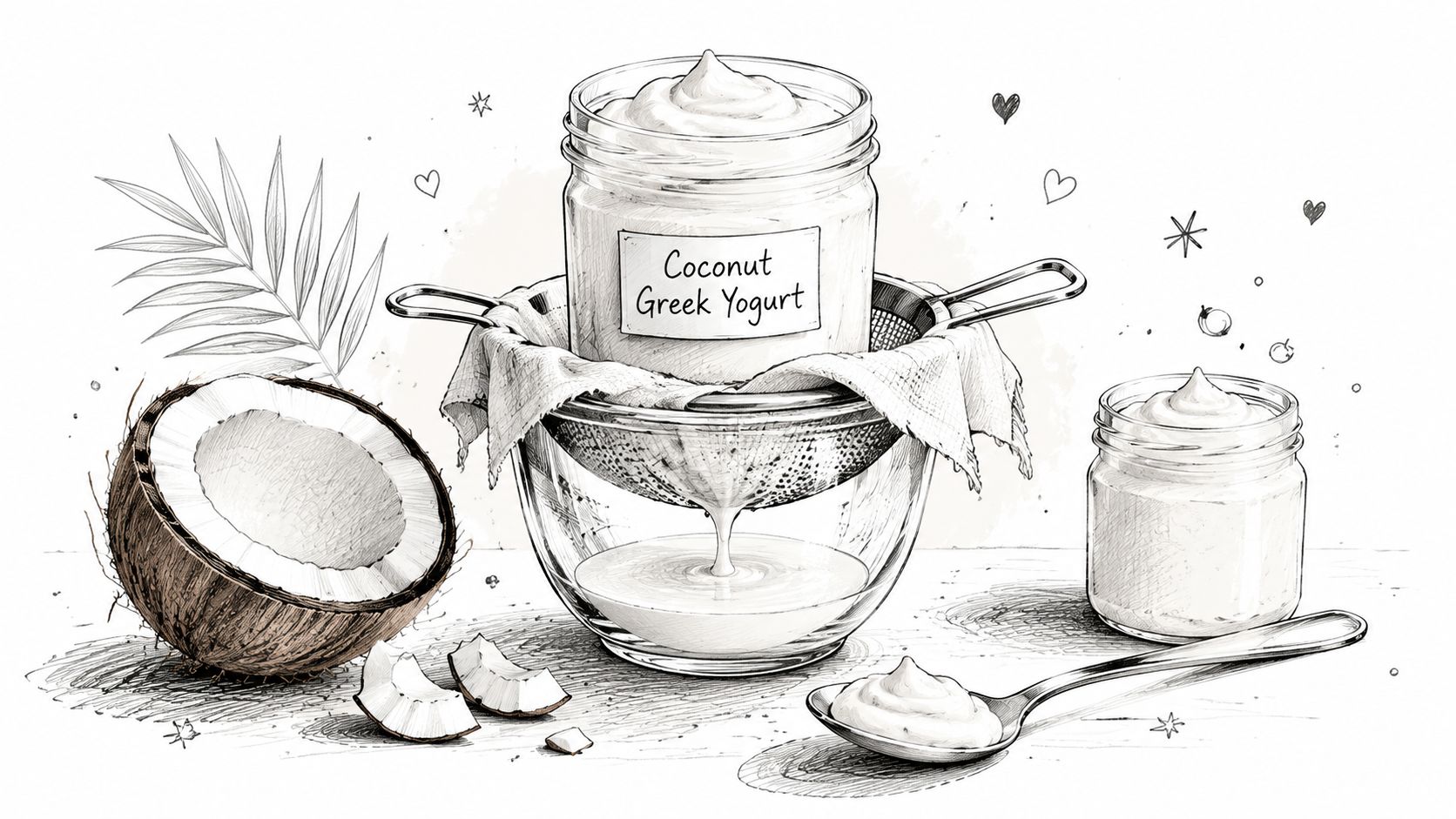
1. Coconut Milk Greek Yogurt Homemade Method
Coconut milk creates one of the richest homemade alternatives, especially when you want a spoonable topping for fruit, pancakes, or dessert. Blend full-fat coconut milk with coconut cream, then use a suitable stabilizer or probiotic culture before straining. The result can become thick and tangy, but the coconut flavor remains noticeable, so it works best in recipes where that flavor belongs.
For a fermented version, stir probiotic powder into the blended mixture before straining. After the yogurt reaches the texture you want, add vanilla, maple syrup, or cinnamon. Keep sweeteners modest if you'll use part of the batch for savory sauces.
Practical rule: Coconut-based yogurt is a texture-first choice, not a protein-first choice. Use it when richness matters more than matching dairy Greek yogurt's protein profile.
Line a fine-mesh strainer with parchment or a clean, suitable cloth before draining. This makes cleanup easier and helps prevent the thick mixture from sticking to the mesh. Straining time controls the final consistency, so stop when the yogurt is thick enough for your intended recipe rather than treating every batch the same.
A Sunday batch can support several family meals. Store it in glass containers, reserve one container for breakfasts, and freeze portions in ice cube trays for smoothies. Frozen cubes blend more easily than a large frozen block and let you use only what you need.
- For breakfast: Spoon it over berries, oats, or granola.
- For sauces: Thin it gradually with plant milk, lemon juice, or water.
- For desserts: Add vanilla and cinnamon after straining for a richer finish.
For more family-friendly recipe planning, save the successful combination in Mealdill's recipe collection. Coconut yogurt can also work in garlic and herb sauces, but test a small portion first because the flavor may compete with delicate savory ingredients.
2. Cashew-Based Greek Yogurt Homemade Recipe
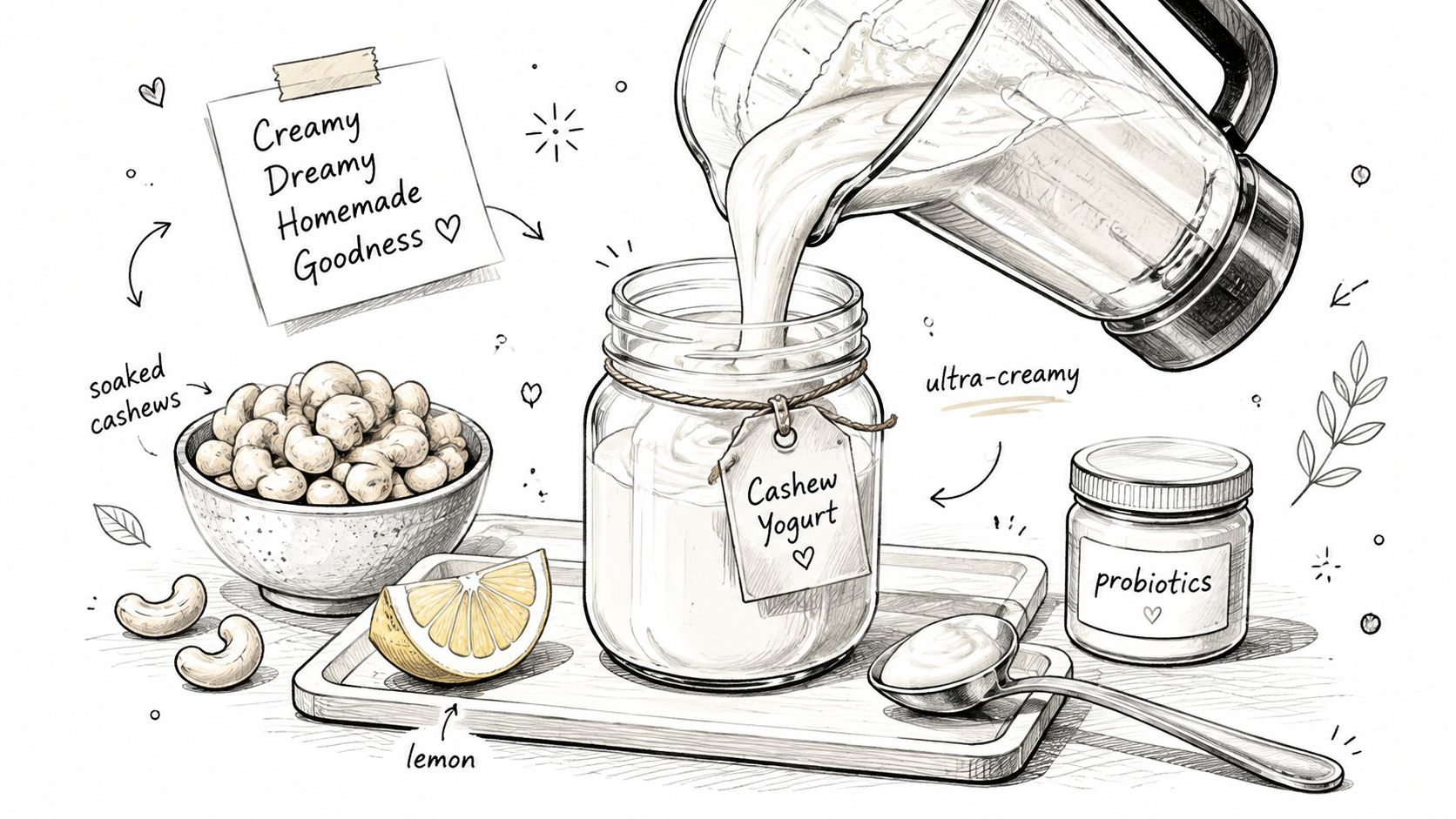
Cashew yogurt is the best homemade option when you want a neutral, luxurious texture that can move between sweet and savory recipes. Soak raw cashews, blend them with liquid, lemon juice, nutritional yeast, and a probiotic culture, then adjust the consistency before chilling. The natural fat in cashews gives the mixture body without requiring a large amount of coconut flavor.
You can speed up preparation by soaking the cashews in hot water for one to two hours. The shorter soak is useful on a busy day, although a longer soak may produce a smoother blend depending on your blender. Add liquid carefully. A mixture that looks too thick in the blender can become exactly right after chilling, while too much liquid leaves you with a sauce rather than a Greek-style yogurt.
Cashew is the flexible base for households that want one batch to cover breakfast, dips, and baking.
Keep the first batch plain until you know how you'll use it. For dessert jars, blend in vanilla bean paste and add sweetener gradually. Over-sweetening is difficult to correct, especially if the yogurt will later be paired with sweet granola or fruit.
For grab-and-go breakfasts, layer cashew yogurt with berries and granola in mason jars. Keep granola separate if you want it to stay crisp. The same neutral base can become a tzatziki-style dip with lemon, garlic, cucumber, herbs, and salt, or a creamy component in a dressing.
- For baking: Use a plain, unsweetened batch so it doesn't alter the recipe's sugar balance.
- For meal prep: Make one plain batch, then flavor individual portions.
- For allergies: Cashews are tree nuts, so choose another option for nut-free households.
A family that already uses cashews in sauces can buy them in bulk and include them on a recurring grocery list. Save the preparation alongside your weekly meal plan in this Mealdill recipe, then record the version your household eats.
3. Oat-Based Greek Yogurt Homemade Method
Oat yogurt suits families that want a mild, inexpensive base without nuts. Blend oats with water, strain the mixture, and thicken the liquid until it reaches a yogurt-like consistency. A high-speed blender helps produce a smoother result, but oats can still feel more pudding-like or slightly grainy than commercial yogurt if the mixture isn't blended and strained thoroughly.
The flavor is gentle, which makes oat yogurt useful in smoothies and baking. Add maple syrup and vanilla for a dessert-style batch, or keep it plain for sauces. Cinnamon, nutmeg, and chopped dates turn it into a breakfast component without requiring a separate flavored product.
Oat-based yogurt generally needs more attention to texture than a commercial Greek-style yogurt. If you're serving it with granola, a softer consistency may be fine. If you're using it as a spread or dip, strain it longer or add a compatible thickener.
Make the leftovers useful
Don't discard the strained oat pulp automatically. Stir it into muffins, baked oatmeal, or homemade granola, provided its texture and moisture suit the recipe. This gives the batch a second use and makes homemade preparation more practical for busy households.
- For nut-free breakfasts: Add berries, seeds, and cinnamon.
- For smoothies: Use a thinner base so the blender doesn't struggle.
- For baking: Keep the yogurt plain and account for its moisture.
- For visibility: Store it in clear containers so the family can see what needs to be used.
Oat yogurt is also a sensible choice when several family members have different preferences. One plain batch can become breakfast for one person, smoothie cubes for another, and a lightly seasoned sauce for dinner.
Use the Mealdill oat yogurt recipe to keep the method with your meal plans. The main trade-off is clear: oat offers mild flavor and useful flexibility, but it usually won't be the strongest choice when the household's main requirement is high protein.
4. Soy Yogurt Commercial Options
Commercial soy yogurt suits families that need a ready-to-eat substitute with consistent texture and a stronger protein starting point. Soy varieties were the only plant-yogurt category with protein levels close to dairy, with a median of 6.3 grams per 150-gram serving in a European analysis reported in this market overview. Treat that figure as a category reference, not a guarantee. Compare protein, added sugar, and serving size on each label.
Products such as Silk Dairy-Free Soy Yogurt Alternative, So Delicious cultured coconut yogurt with soy protein, and Tofutti Better Than Yogurt differ in thickness and flavor. Spoonable products work for breakfast bowls, while thinner options may blend more easily into smoothies or sauces. “Greek-style” describes the intended texture, not a fixed protein level.
Buy plain or unsweetened soy yogurt when one container must cover several meals. Use a measured swap first: replace dairy Greek yogurt with the same volume in breakfast bowls, dips, or sauces, then adjust liquid only if the product is noticeably thinner. Sweetened strawberry yogurt can work for breakfast, but it may throw off ranch dressing, curry sauce, or baking recipes.
- For weekday breakfast: Use about one serving with fruit and granola.
- For meal templates: Keep plain yogurt assigned to a recurring breakfast so the next shop is easy.
- For mixed households: Add one flavored option only if it will be used before expiring.
- For allergens: Soy does not suit everyone, so check restrictions before buying multiple containers.
Soy's mild bean-like note can show up in delicate desserts. Vanilla, cinnamon, berries, cocoa, or citrus soften it in sweet dishes. Garlic, lemon, herbs, and cucumber make it more suitable for savory preparations.
The commercial category now offers more choices than novelty products. An industry analysis reports that the plant-based dairy market grew from $7.62 billion in 2019 to $11.45 billion in 2023. It also found that 51% of global consumers maintained or increased purchases of non-dairy dairy-style foods, while 26% increased purchases versus the prior year according to Ingredion's market analysis. For weekday repeats, plain Silk and So Delicious soy-based options are practical starting points, provided their protein, sweetness, and allergen details fit your household.
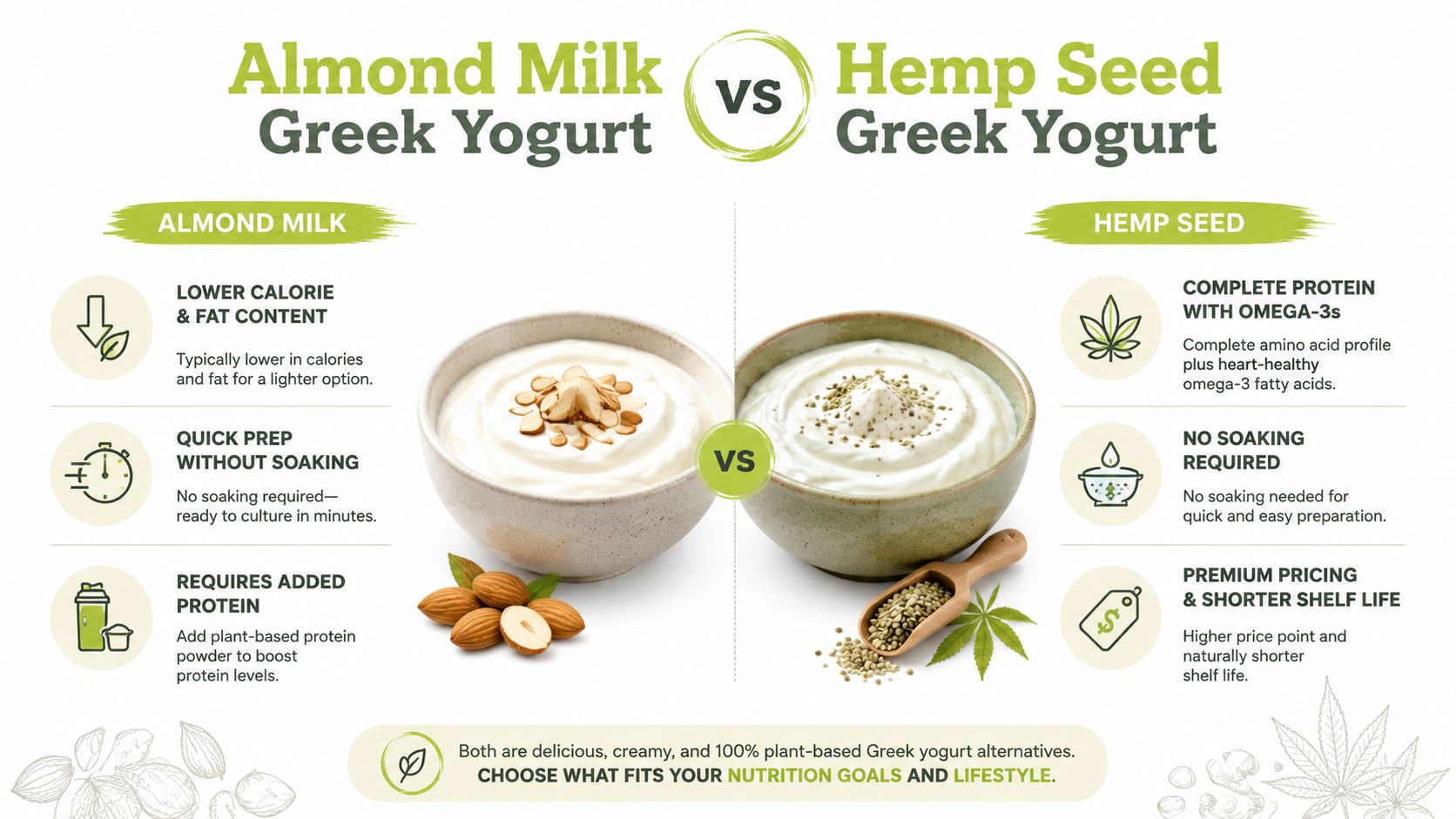
5. Almond Milk Greek Yogurt Homemade With Added Protein
Almond yogurt is useful when you want a lighter base and plan to control the protein yourself. Start with unsweetened almond milk, then blend in plant protein powder and a thickener. The finished texture can be smooth and spoonable, but it often feels less rich than cashew or coconut yogurt unless you add a small amount of coconut cream or almond butter.
Protein powder changes more than the nutrition profile. It can add sweetness, chalkiness, vanilla flavor, or a thick, pasty texture. A plant-based vanilla powder usually gives the most dessert-friendly result, but choose an unflavored powder if you'll use the yogurt in savory recipes. Add the powder gradually and blend thoroughly before deciding whether more liquid is needed.
Shopping shortcut: Buy the protein powder and almond milk together, then test one small batch before committing to a large meal-prep routine.
Almond yogurt works particularly well in smoothie bowls. Top it with berries, low-sugar granola, seeds, or nut butter so the bowl has contrast rather than a uniform soft texture. A spoonful of almond butter can improve creaminess, but it also makes the almond flavor stronger and removes the nut-free advantage.
- For lighter breakfasts: Pair plain almond yogurt with fruit and seeds.
- For smoothies: Thin it with almond milk before blending.
- For baking: Use an unsweetened version and taste the batter before adding extra sugar.
- For allergies: Almond is a tree nut, so avoid it when the household needs a nut-free option.
Commercial products can be easier when you need predictable results, but homemade almond yogurt gives you control over sweetness and protein powder choice. Keep the base flexible by preparing it plain, then flavoring individual bowls.
For a protein-focused smoothie bowl routine, save this Mealdill recipe with the exact protein powder your family accepts. The best formula is the one people will eat repeatedly, not the one with the most ambitious ingredient list.
6. Pea Protein-Based Greek Yogurt Commercial Options
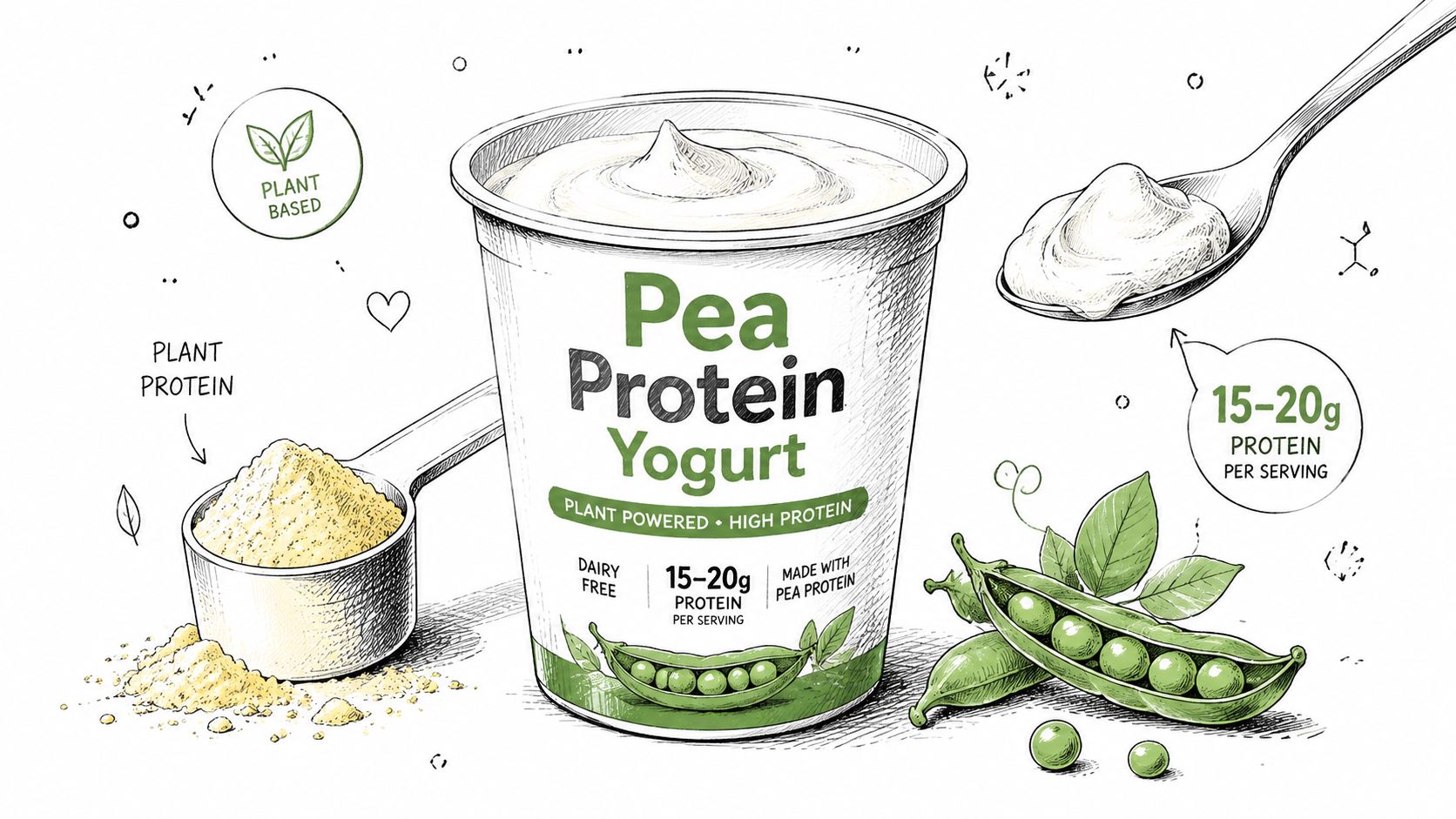
Pea protein yogurt is the clearest commercial choice when protein and allergen avoidance matter more than a perfectly neutral flavor. Products such as Ripple Pea Protein Yogurt and Yocha Plant-Based Yogurt use yellow pea protein and are positioned for shoppers avoiding soy and tree nuts. Check the exact package, however, because product formulas and availability can vary by market.
Some market listings show Greek-style products with 10 grams of protein per serving and an almond-milk Greek yogurt with 17 grams per 170-gram serving, illustrating how widely plant-based products can differ as documented in this sensory research. Those figures belong to specific products, not to every pea yogurt, so compare the nutrition panel rather than relying on the category name.
Pea protein yogurt can have an earthy or legume-like aftertaste. Berries, cocoa, cinnamon, nut butter, and granola can make it easier to enjoy at breakfast. In savory uses, garlic, lemon, herbs, and hot sauce usually give the base enough character to work as a dip or dressing.
Match it to the household
Use pea yogurt when someone needs a convenient, higher-protein breakfast without dairy, soy, or tree nuts. It can also fit a muscle-gain meal plan, but don't assume that adding granola automatically creates a particular protein total. Count the yogurt and toppings from their actual labels.
- For training-day breakfasts: Combine the yogurt with fruit and a clearly labeled protein-rich topping.
- For smoothie bowls: Blend it with frozen fruit, then add seeds or nut butter if tolerated.
- For school snacks: Check sweetness and allergen statements before packing.
- For shopping: Confirm local availability before building the week around one brand.
This option wins on convenience and protein potential, but it may lose on price, flavor familiarity, or availability. Keep a soy or homemade oat backup so a missing shelf item doesn't disrupt the meal plan.
7. Hemp Seed Greek Yogurt Homemade Recipe
Hemp yogurt has a distinct nutty flavor and a naturally nutrient-dense profile, making it a good fit for adults who enjoy earthy flavors and want something different from the usual soy, oat, or coconut base. Blend hemp seeds with hemp milk, probiotics, and only as much thickener as needed. The mixture won't taste like dairy Greek yogurt, so it's better treated as its own ingredient rather than a perfect imitation.
Lightly toasting the hemp seeds before blending deepens their flavor. Let them cool first, then blend with vanilla and maple syrup for a dessert-style bowl. For a savory version, leave out the sweetener and add lemon, garlic, salt, cucumber, and herbs for a tzatziki-style dip.
Hemp's flavor can dominate mild recipes. That makes it less suitable for delicate vanilla frosting or neutral baking, but useful in bold smoothies, grain bowls, wraps, and savory spreads. Banana and cinnamon can soften the earthy edge in a smoothie bowl, while berries provide acidity and color.
- For breakfast: Add banana, cinnamon, berries, and seeds.
- For dips: Use lemon, garlic, dill, and cucumber to build contrast.
- For meal prep: Store portions in opaque containers and keep them chilled.
- For flavor control: Make a small batch before planning several meals around it.
Hemp is also a practical option for families already buying hemp hearts or hemp milk. You can use the same ingredients in smoothies, porridge, and salad toppings, which helps reduce one-purpose shopping. The trade-off is that the homemade process takes more attention than opening a commercial container, and the flavor won't suit every family member.
8. Aquafaba Greek Yogurt Homemade Experimental Method
Aquafaba yogurt is for cooks who enjoy testing unusual techniques and want to repurpose the liquid from canned chickpeas. Whip the aquafaba, combine it with plant milk and stabilizers, and experiment with a vegan starter culture. The whipped liquid can add lightness, but it doesn't naturally provide the dense, protein-rich body people expect from dairy Greek yogurt.
Treat this as a small-batch project rather than your main weekly breakfast. Fermentation behavior, thickness, and flavor can vary, so write down the plant milk, culture, chilling time, and thickener used. That record makes it easier to repeat the version that works and avoid wasting ingredients on a full batch that doesn't set properly.
Aquafaba is a creative zero-waste technique, but it isn't the dependable one-to-one replacement for every recipe.
Savory applications are more forgiving than spoonable breakfast bowls. Add garlic powder and herbs for a light tzatziki-style sauce, or fold the mixture into a dressing where a softer texture is acceptable. Combining aquafaba with oat or soy milk can produce a more familiar base, but the final result still needs testing under refrigeration.
- For first attempts: Make a small amount and evaluate it after chilling.
- For sauces: Use herbs, garlic, lemon, and salt to give the base structure.
- For breakfast: Add fruit or granola only after checking the texture.
- For consistency: Document every adjustment before scaling up.
If your household enjoys kitchen experiments, store the method with this Mealdill recipe. If the result feels too airy, use it as a dressing or dip rather than forcing it into a thick Greek-style breakfast bowl.
8-Item Vegan Greek Yogurt Substitute Comparison
| Item | 🔄 Implementation Complexity | ⚡ Resource Requirements & Time | 📊 Expected Outcomes | ⭐ Key Advantages | 💡 Ideal Use Cases |
|---|---|---|---|---|---|
| Coconut Milk Greek Yogurt (Homemade Method) | Moderate–High, requires fermentation (24–48 h) and straining | Full‑fat coconut milk/cream, cheesecloth/strainer, optional probiotics; moderate cost; 24–48 h prep | Thick, creamy, tangy with subtle coconut flavor; shelf ~2 weeks refrigerated | ⭐⭐⭐, creamy mouthfeel, cost-effective, flavor control | Breakfast parfaits, tropical bowls, meal‑prep batches |
| Cashew-Based Greek Yogurt (Homemade) | Moderate, soak overnight, high‑speed blending, optional culturing | Raw cashews, blender, probiotics; higher ingredient cost; overnight soak | Ultra‑creamy, neutral flavor close to dairy; stores ~10 days | ⭐⭐⭐⭐, superior texture, versatile flavor base | Indulgent desserts, savory sauces, premium meal prep |
| Oat-Based Greek Yogurt (Homemade Method) | Low–Moderate, blend and strain; optional fortification | Rolled/steel‑cut oats, blender, strainer, optional protein; low cost; quick prep | Mild, slightly sweet; higher fiber, less creamy; large yield | ⭐⭐⭐, budget‑friendly, allergen‑friendly, sustainable | Family meal prep, high‑volume breakfasts, fiber‑forward plans |
| Soy Yogurt (Commercial: Silk, So Delicious, Tofutti) | Low, ready‑to‑eat, no home prep | Purchase ready products; higher price per unit; long shelf life unopened | Consistent texture, complete protein, fortified with vitamins | ⭐⭐⭐⭐, highest mainstream plant protein, very convenient | Busy families, grab‑and‑go breakfasts, nutrient‑fortified plans |
| Almond Milk Greek Yogurt (Homemade with Added Protein) | Low, blend with protein/thickeners, minimal soaking | Almond milk, plant protein powder, thickeners; affordable; fast prep | Low‑calorie, protein depends on fortification; lighter texture | ⭐⭐⭐, good for calorie control and custom macros | Fitness/weight‑loss meal plans, protein‑boosted smoothie bowls |
| Pea Protein-Based Greek Yogurt (Commercial: Ripple, Yocha) | Low, ready‑to‑eat commercial product | Purchase pea‑protein yogurts; premium pricing; allergen‑friendly | 15–20g protein/serving, complete amino acids, creamy texture | ⭐⭐⭐⭐, dairy‑comparable protein, allergen‑friendly, sustainable | Muscle‑gain/post‑workout meals, protein‑focused templates |
| Hemp Seed Greek Yogurt (Homemade) | Low–Moderate, blend with probiotics; no soaking | Hemp seeds/milk, probiotics, minimal thickeners; moderate–high cost; quick prep | Nutty flavor, complete protein, high omega‑3/6, shorter shelf (5–7 d) | ⭐⭐⭐, nutrient‑dense, eco‑friendly, allergen‑free | Whole‑food plans, omega‑3 boosts, savory dips and bowls |
| Aquafaba Greek Yogurt (Homemade Experimental) | High, experimental fermentation, variable results | Aquafaba (canned chickpea liquid), cultures, experiment time; very low ingredient cost but high skill/time | Foamy/aerated texture, prebiotic benefits, inconsistent stability | ⭐⭐, zero‑waste and sustainable, educative/novel | Experimental cooks, sustainability projects, small‑batch trials |
Turn Your Favorite Substitute Into a Repeatable Routine
The best substitute depends on what the yogurt must do. For spoonable toppings, sauces, and dressings, choose the thickest option you can find or make. Strained coconut and cashew bases offer richness, while commercial soy and pea products provide more predictable consistency. For a neutral flavor that can move between sweet and savory recipes, plain soy or cashew is usually more flexible than strongly flavored coconut or earthy hemp.
Baking requires a different standard. Choose plain, unsweetened soy or oat when a lighter blend is acceptable, and avoid products with strong vanilla or fruit flavors unless the recipe calls for them. Yogurt contributes moisture and acidity, so a thinner substitute may make batter looser, while an extremely thick substitute can make it dense. Add liquid only when the mixture clearly needs it, and don't dilute the yogurt before you know how the batter behaves.
Coconut works especially well in rich desserts and coconut-friendly savory dishes. Almond suits lighter, protein-fortified breakfasts and smoothie bowls, but remember that protein powder affects both flavor and texture. Pea yogurt is a practical commercial choice for protein-focused households, while aquafaba is best reserved for experimentation and zero-waste cooking.
Use a simple measurement framework
Begin with a one-to-one replacement. If a recipe calls for one cup of dairy Greek yogurt, start with one cup of your chosen plant-based substitute. Then make one adjustment at a time:
- Too thin: Strain the yogurt longer or add a compatible thickener.
- Too thick: Loosen it gradually with plant milk, water, or lemon juice.
- Too sweet: Replace it with an unsweetened product rather than trying to balance a strongly flavored one.
- Too mild: Add lemon, vinegar, herbs, spices, or fruit according to the recipe.
- Too rich: Blend a small amount with a lighter base such as oat or almond.
Check the label every time. A European nutrition analysis found that only soy alternatives reached protein levels close to dairy, with a median of 6.3 grams per 150-gram serving in the referenced study summary, while product-level examples vary considerably. Look at protein, added sugar, saturated fat, allergens, ingredients, and live-culture information instead of assuming that “Greek-style” means nutritionally equivalent to dairy Greek yogurt.
A workable family shopping routine needs both convenience and backup. Pick one ready-made weekday option, schedule one homemade batch if it saves money or improves texture, and add ingredients to an aisle-organized shopping list. Keep a backup base for weeks when soaking cashews or straining coconut yogurt won't happen.
Save the successful combination as a reusable Mealdill meal-plan template. Mealdill can centralize recipes, build recurring shopping lists, reuse meal plans, and keep family food decisions in one place, so you don't have to reinvent breakfast every week. The goal isn't to test all eight options forever. It's to find the one or two your household will buy, prepare, and eat consistently.
Mealdill helps you save vegan recipes, turn weekly plans into aisle-organized shopping lists, and reuse successful meal templates for lower-stress family cooking. Visit Mealdill to organize your yogurt swaps, breakfast routines, and grocery planning in one place.